Level-2 Commercial 80A EV Charging for Commercial Properties
With more people driving electric vehicles, businesses, property owners, and fleet operators need re…

If you know anything about Electric Vehicle (EV) charging stations, you have probably heard the terms Level-1, Level-2, and Level-3 chargers. This article is designed to help you understand what that means, and which application is right for you! To put it simply, the level of the charging station is a measurement of the type and output of electricity. The higher the output, the higher the level. The higher the level, the faster the car charges.

Level-1 Chargers typically use 120-volt residential outlets. Meaning you can plug this charger into the outlets already in your garage. This is the charger that is typically sold with the purchase of your plug-in EV. It is designed for personal home use overnight and charges the vehicle slowly. Level-1 Chargers run on AC power and range in output from 1kW to 2.4kW/hour.


Level-2 Chargers typically use 240-volt residential or commercial power and require an electrician to run circuits for the charger. This is becoming more common for home use for faster charging without the reliance on a public station. It is also the most common charger seen in commercial applications. Level-2 Chargers run on AC power and range in output from 3.8kW to 11.5kW/hour.
Level-3 Chargers, also known as DC fast chargers, use 480-volt commercial power and usually require an electrician to do major infrastructure upgrades. We refer to Level-3s as the road trip charger as they are most used by people who are traveling and don’t want to stop for an extended period. You will most likely see these charging stations in places like gas stations and places of interest off major travel highways. Level-3 Chargers run on DC power and range in output from 30kW to 180kW/hour.

Does faster charging always mean it’s best? The short answer is no – the higher the level of charging, the more electrical infrastructure work needs to be done, increasing the cost of a project. Level-3 DC fast charging is also not typically recommended for everyday use and can, over time, reduce the performance of a vehicle’s battery.

Which type of charging station you choose depends on the vehicles and the needs of people using the charging station. You’ll need to consider the amount of driving they do and how much time they will have to charge at your location.

All three levels of charging stations have their place. If you own a plug-in hybrid that has a small battery pack, Level-1 charging could be all you need. For all-electric vehicles, Level- 2 and 3 will be what you use most of the time. For the typical EV owner, including Tesla drivers, Level-2 charging stations will be the most plentiful and convenient to use. Level-3 stations are good for quick top-ups and to recharge on road trips, as they provide the fastest charge. Reach out to our team for a free consultation on what would be best for you!
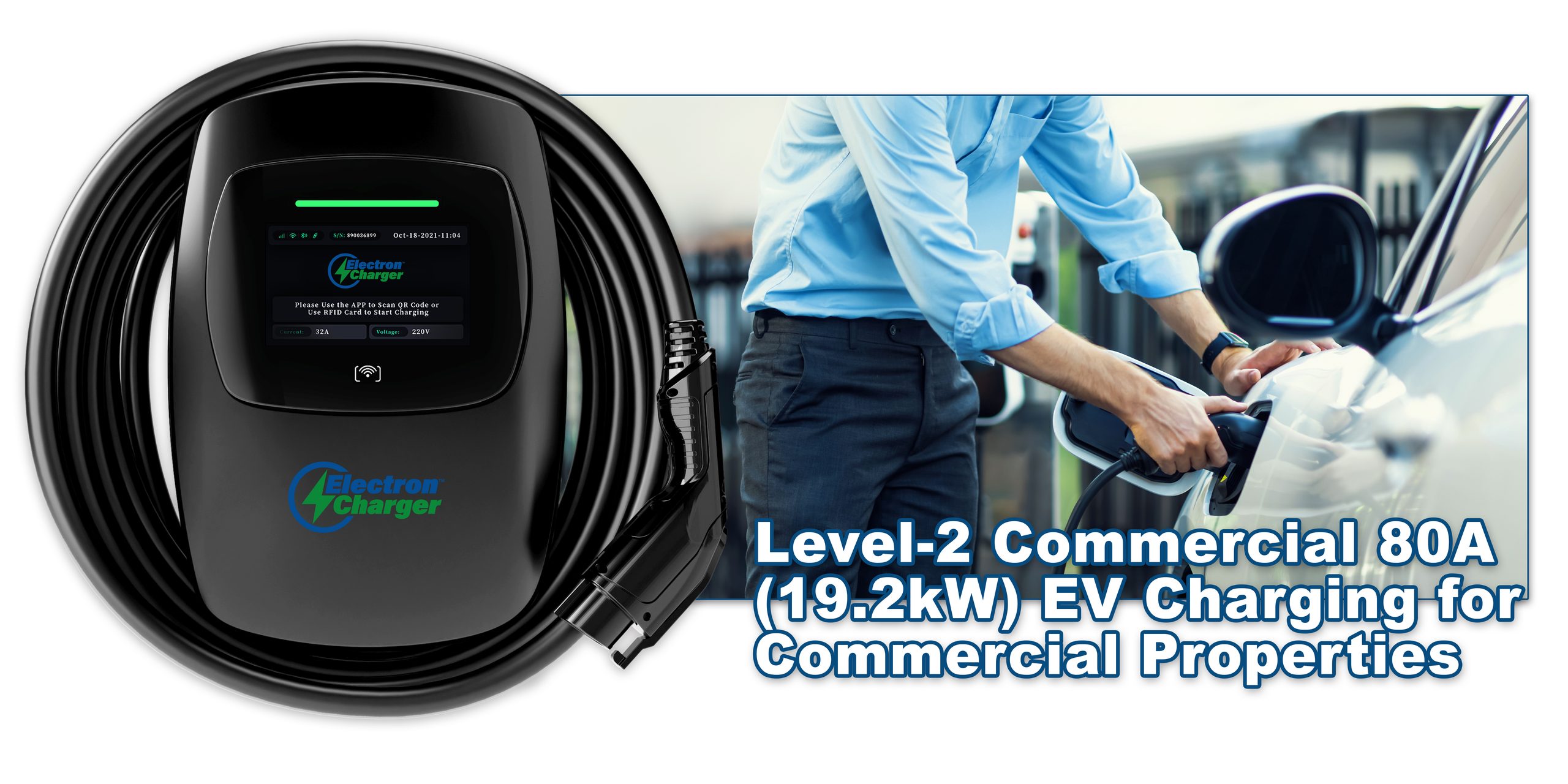
With more people driving electric vehicles, businesses, property owners, and fleet operators need re…
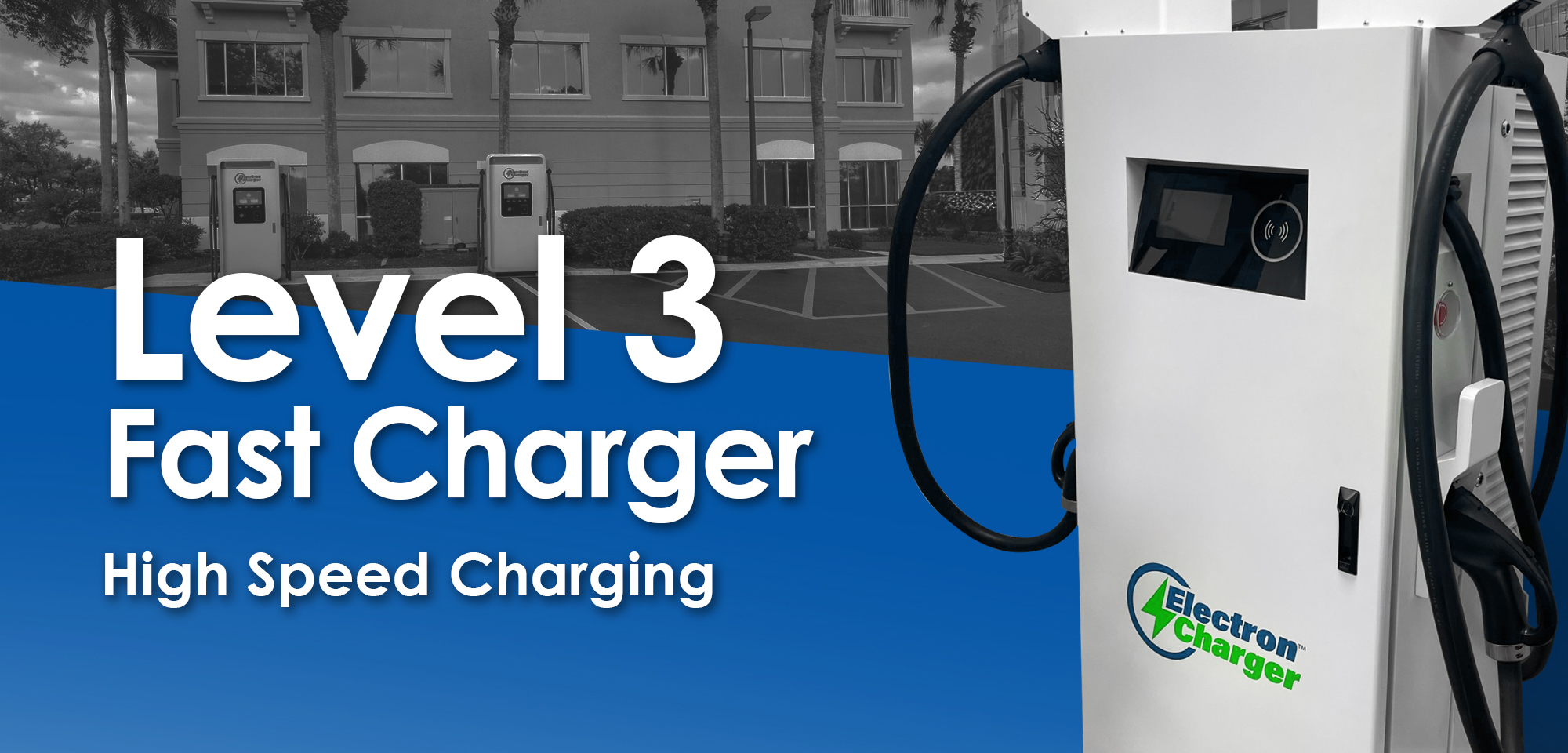
Boosting your revenue faster Imagine if your parking lot, apartment complex, dealership, or commerci…
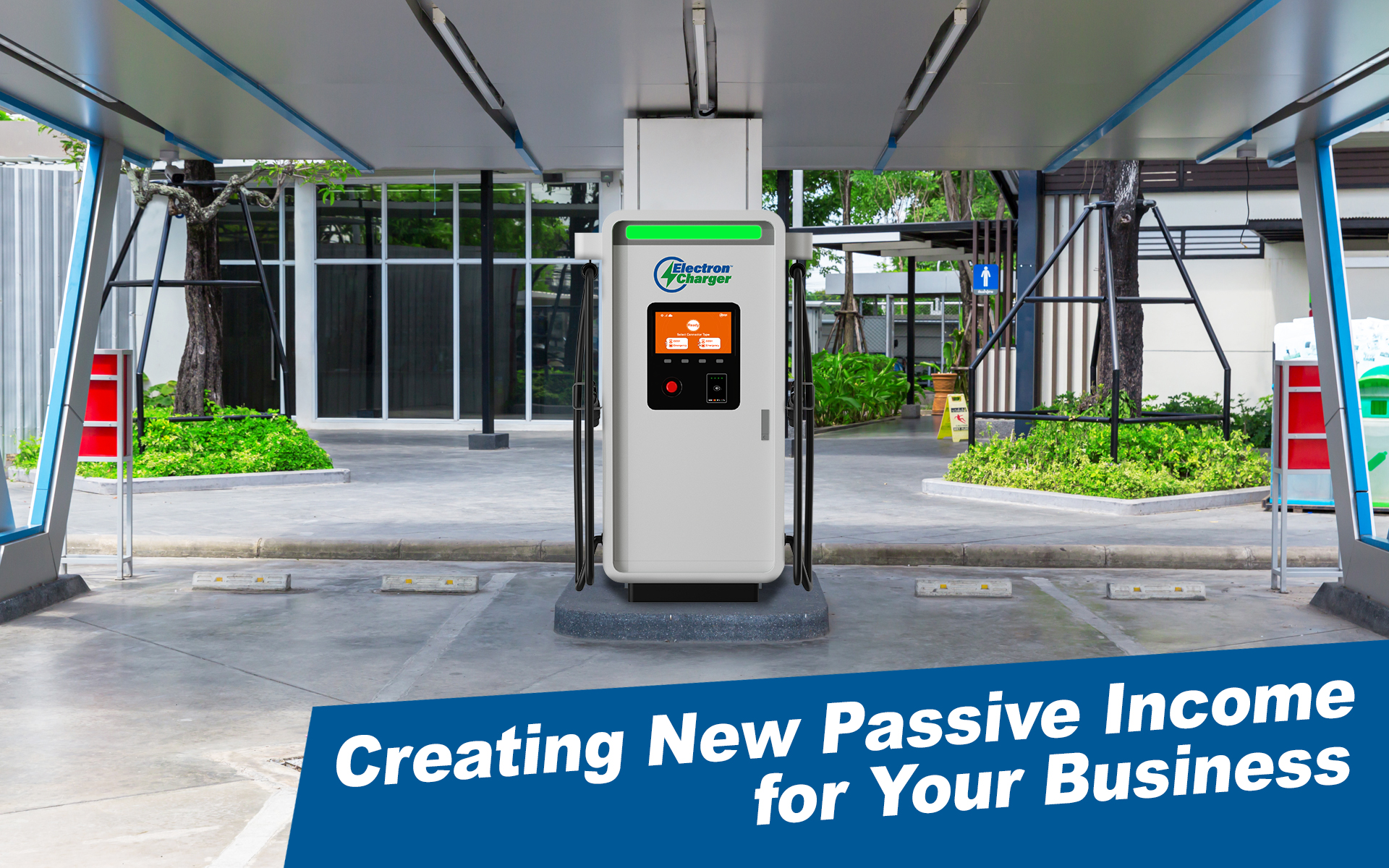
How EV Chargers Can Create New Passive Income for Your Business When you add EV chargers to your bus…
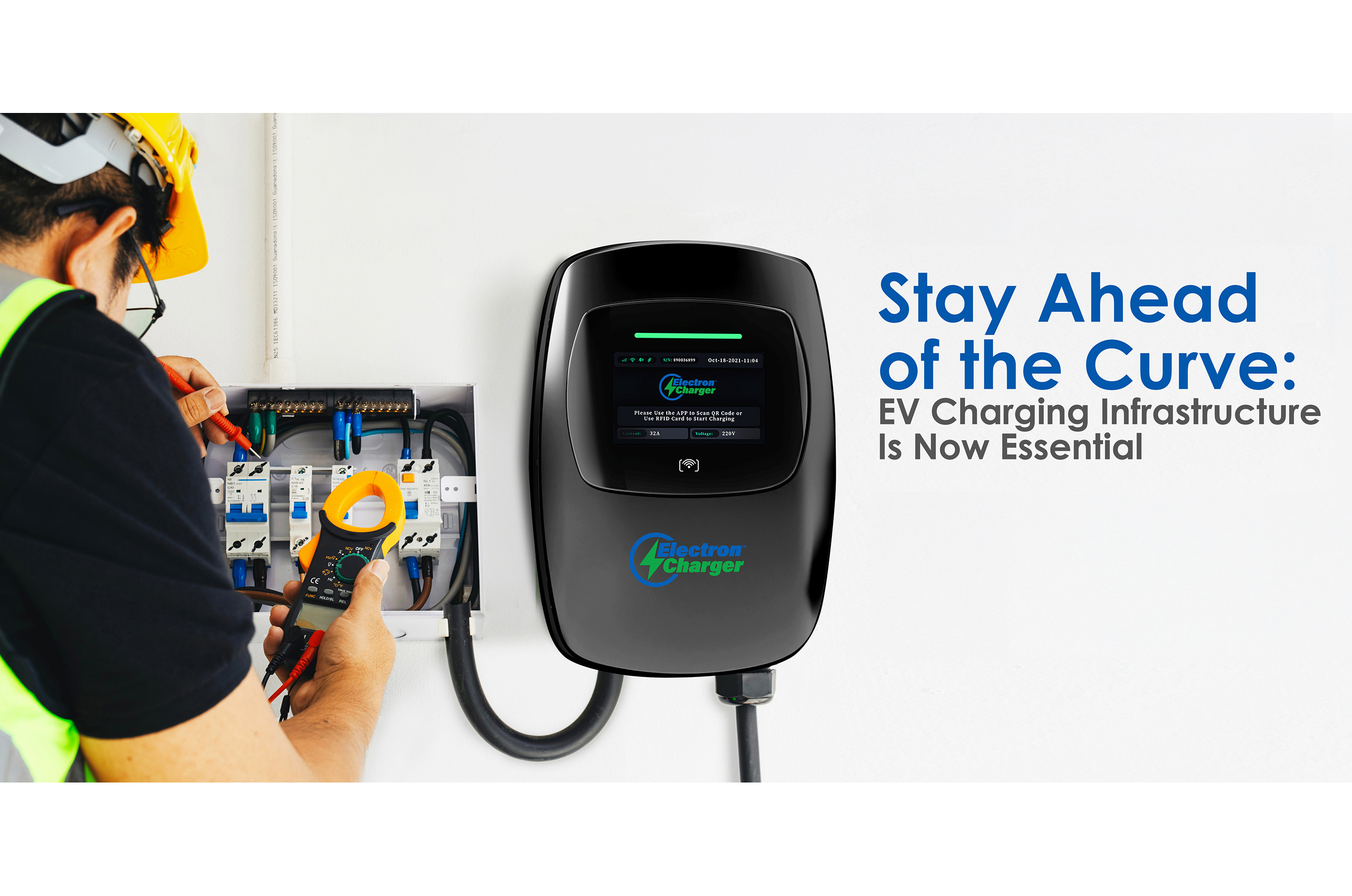
EV Charging Infrastructure Is Becoming Essential The future of transportation is electric, and the t…
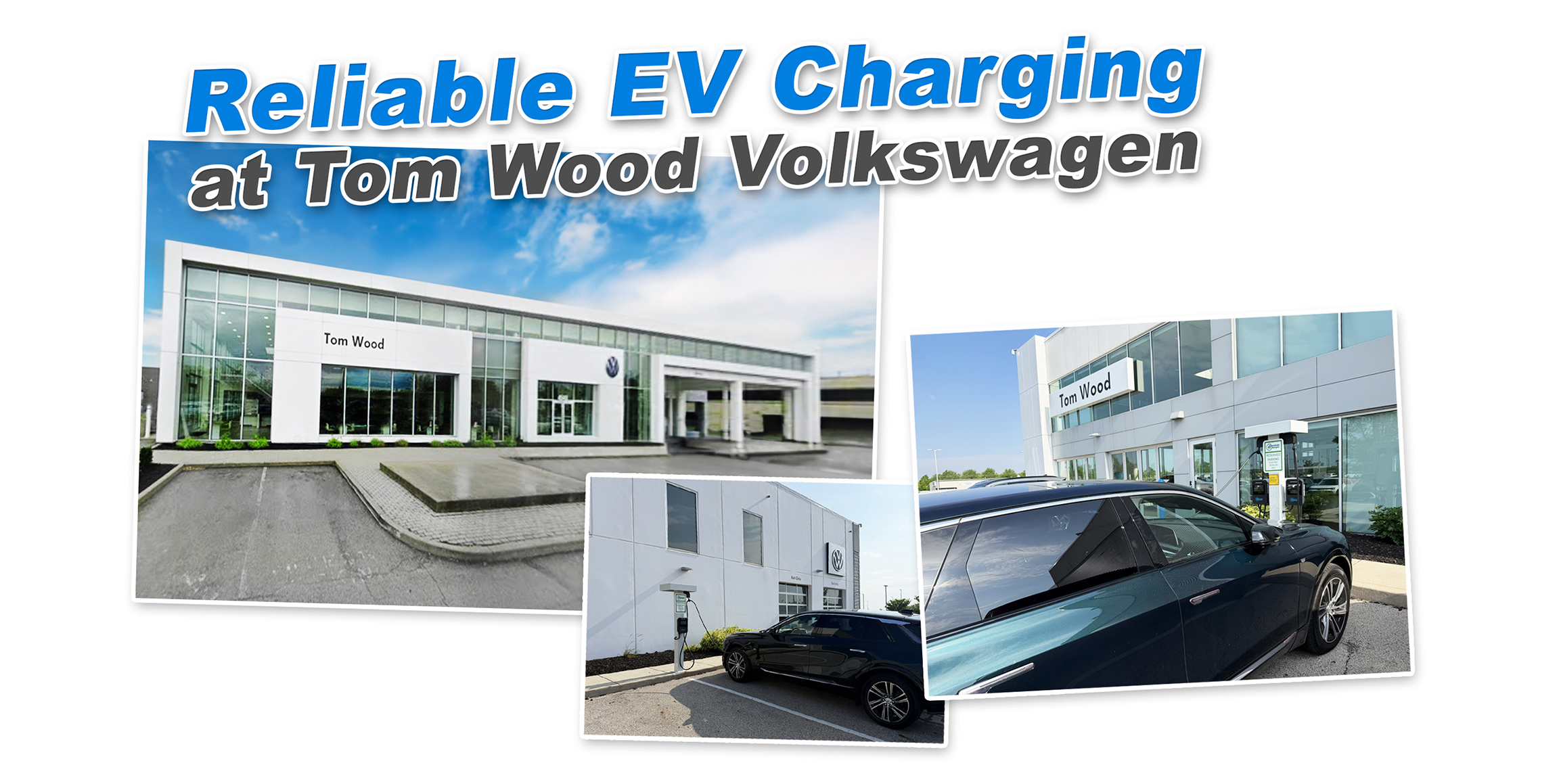
Dependable EV Charging at Tom Wood Volkswagen We’re excited to let you know that Electron Charger ha…
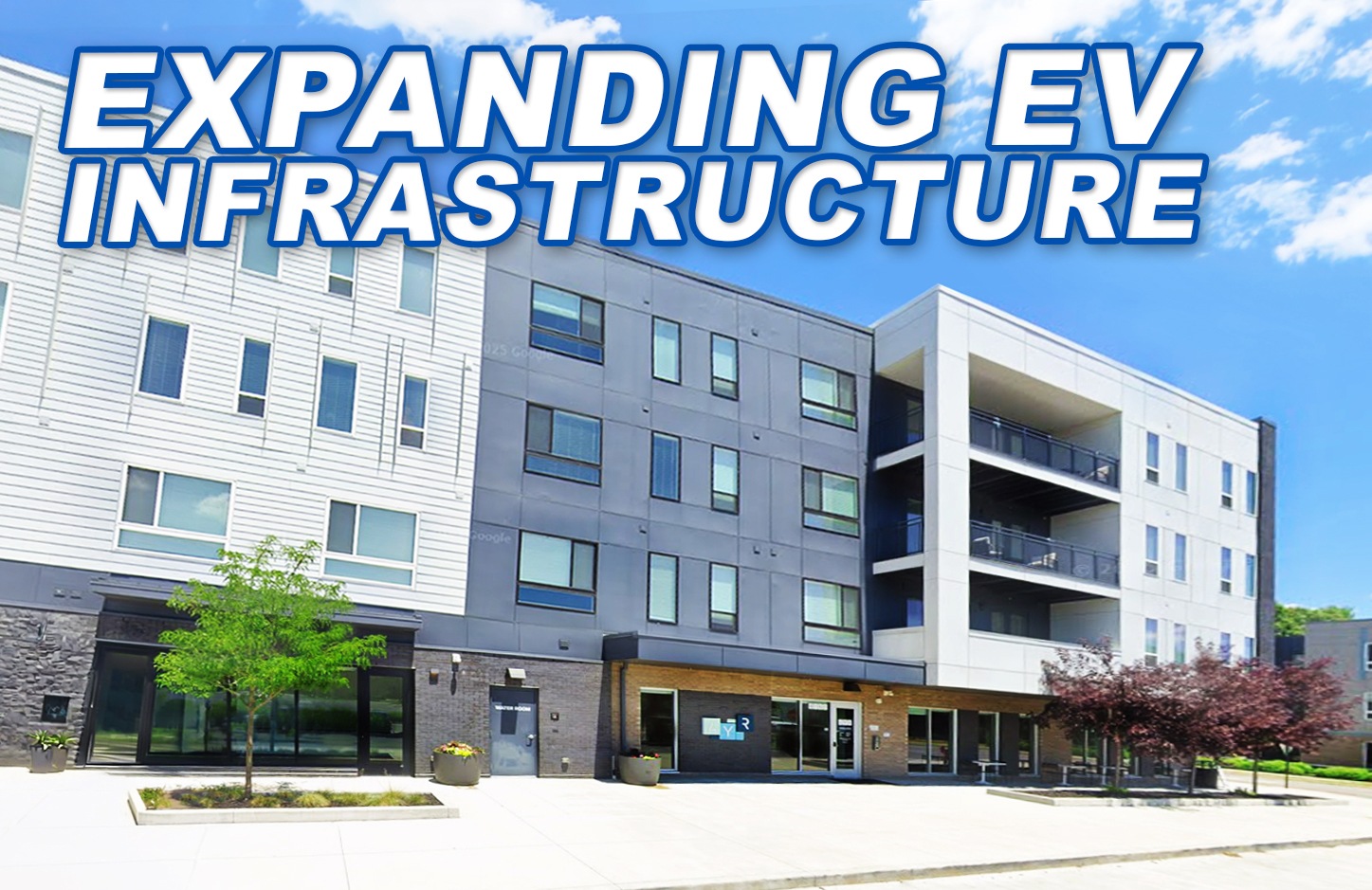
As electric vehicle adoption rises in the U.S., placing infrastructure strategically is equally vita…